One system, your machine
Think it through. Watch it get made.
Talk it out in chat. DuoHand then opens the software you already own, does the work, and hands back the files — drawings, models, sheets, decks.
How deep it goes
Follow one collection, end to end
Jewellery is where DuoHand runs deepest today. Every step below is work it does in full, in your files.
Subheading
It takes the brief
Tell it who the collection is for. It asks what a good designer would ask, then writes a brief a workshop can actually build from.
Subheading
It draws real directions
Several directions, each with a point of view. Kill the ones that miss. It remembers a rejection as sharply as a yes.
Subheading
It argues with you
Mark up any sketch. When a change would thin a wall or crowd a setting, it says so and shows you the number.
Subheading
It builds the family
One piece becomes rings, pendants, earrings — proportioned against each other, sized to a real hand and a real neck.
Subheading
It fills the tech sheet
Metal, stones, tolerances, finishes — every figure read straight off the model.
Subheading
It makes the book
The deck you put in front of a buyer, laid out from the same pieces, ready the same day.
Subheading
Heading
Say who the collection is for and what it has to do. DuoHand asks the questions a designer would ask — occasion, price band, metal, stone budget, who the buyer is — and writes a brief the workshop can build from.
It draws several, each with a point of view, and says what each one is betting on. You kill the ones that miss; it remembers why.
One ring becomes a pendant, earrings, a bangle — proportioned against each other and sized to real hands and necks, not scaled copies.
Metal, stones, settings, tolerances and finishes, read off the model. Every figure on it comes from geometry rather than memory.
The book you put in front of a buyer, laid out from the same pieces, with renders made from the same files.
Measured, to the millimetre
Every line ends in a number the bench can cut to
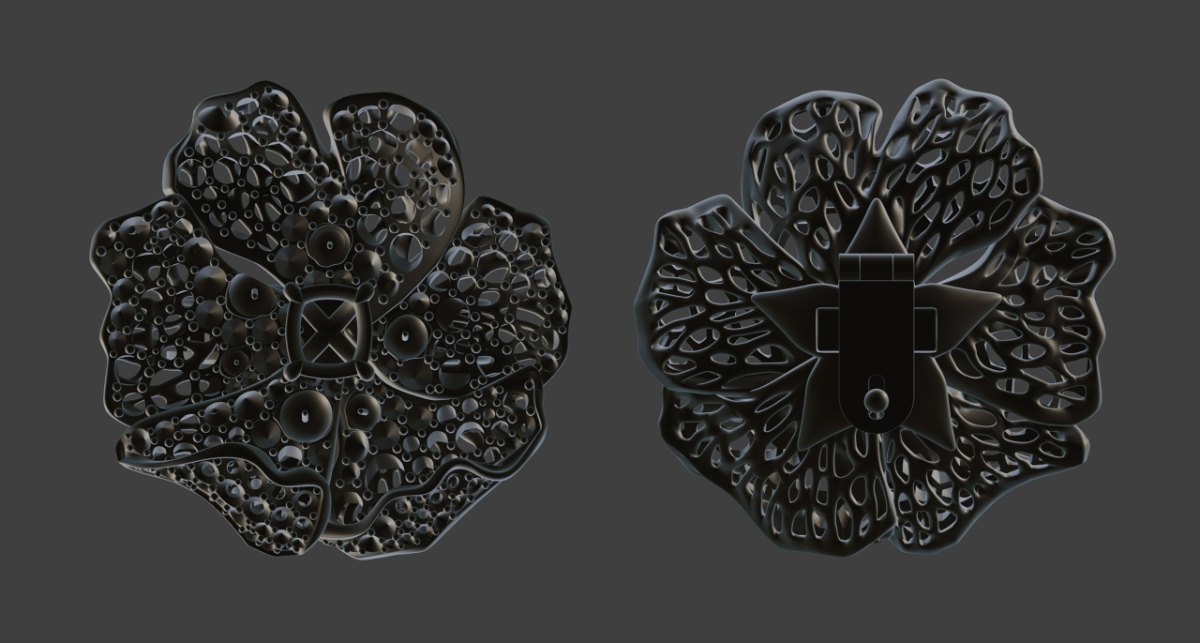
Wall thickness. Seat width. Prong position. Tolerance. A model holds them and says when one is wrong, so the tech sheet is read back off the piece.
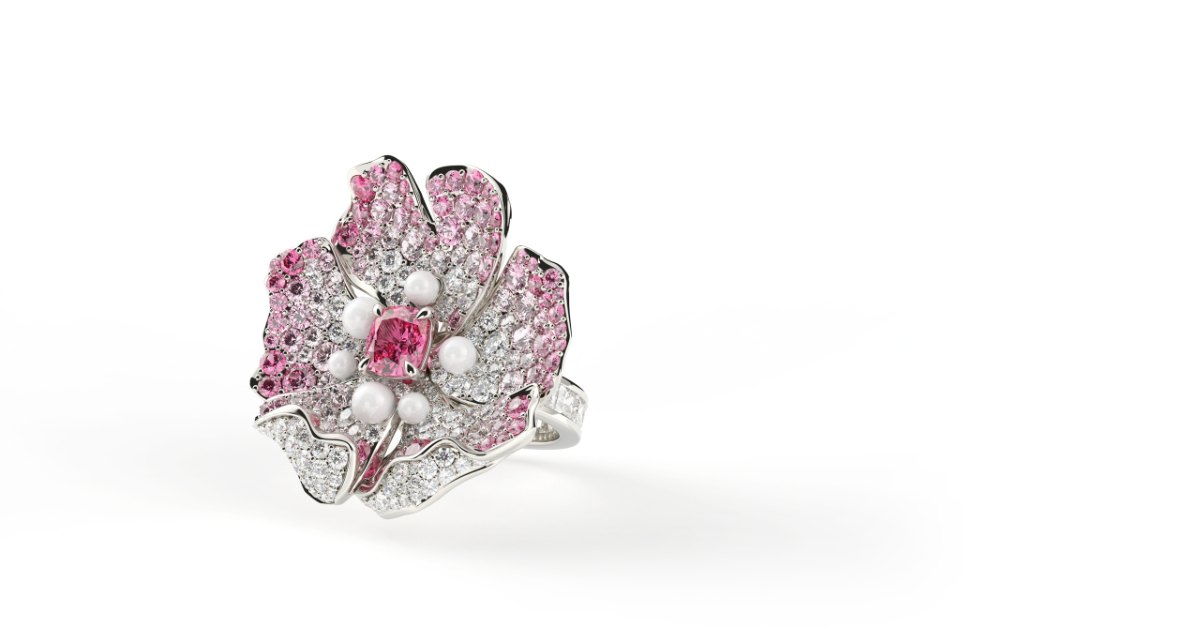
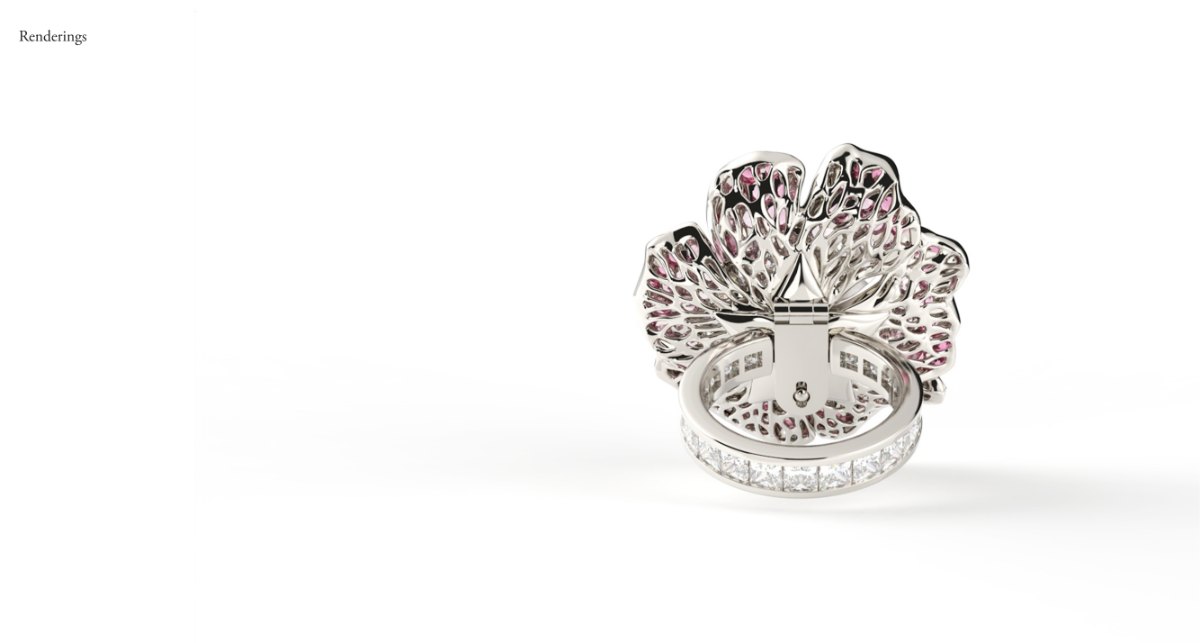
Your workshop gets millimetres. Your client gets a render made from the same file.
Your own computer
Meets you where you already work
Install DuoHand Bench and connect it once. Duo then runs on your machine: it opens your files, drives your design software, reads what came out on screen, and reports every step. Anything that writes, runs or looks asks you first — once, for this task, or always.
What it hands back
Finished files, not conversation
A brief
Written from your answers, in the language a workshop reads.
Sketch directions
Several, each with a point of view and a reason.
A CAD model
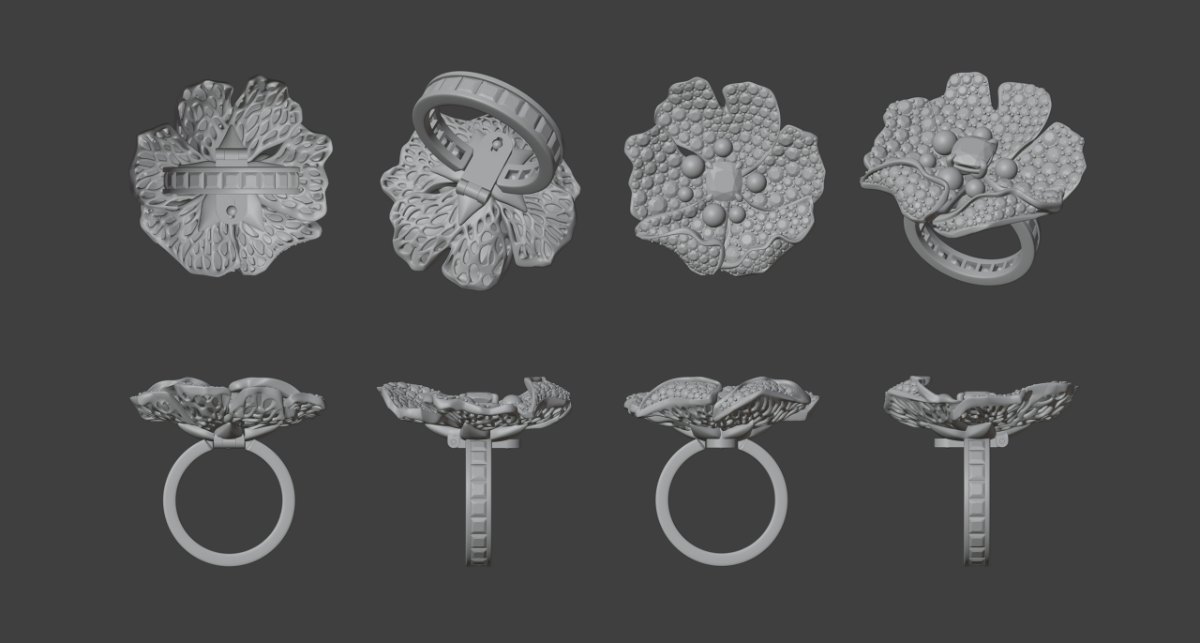
Built in Rhino on your machine, in the file your bench already uses.
A tech sheet
Metals, stones, tolerances and finishes, read off that model.
Renders
Made from the same file, so the picture and the piece agree.
A deck
Laid out in Illustrator, ready to present.
Every model worth using
It runs on all of them, and picks
Claude, GPT, Gemini, DeepSeek and GLM for thinking; GPT Image, Gemini, Qwen and FLUX for pictures. DuoHand chooses per step — the sharpest model to argue about a direction, a fast one to answer a roll call, the right one to render.
When a better model ships it appears on the shelf. Your work stays where it is.
Who it is for
Built for people who make things
The designer working alone
You keep the judgement and lose the nights spent redrawing the same ring in three sizes.
The brand with a house style
It learns the line your collections hold and refuses to drift from it, season after season.
The workshop that gets the file
Millimetres instead of impressions, in the format already on the bench.
Questions
The questions that matter
Finished files: briefs, drawings, 3D models, tech sheets and the deck you present. They land in your folders, in the formats your workshop and your clients already use.
Illustrator and Rhino today, on your own machine. The list grows as the hands do — the point is that it works your tools rather than asking you to move into a new one.
Like you. Every direction you approve and every one you kill teaches it your taste, and it holds that line across a whole collection.
The judgement. Which direction is right, what the client actually meant, when a piece is worth fighting for. DuoHand takes the hours that never made a collection better.
You buy credit and spend it as you work. Every answer carries what it cost, and a three-page chapter runs about A$8.50.
Bring it in. Old collections, sketches and photographs are read as evidence of how you work, and they sharpen what it draws next.
Yes. A collection is shared with the people you invite, and every decision on it stays with the piece rather than in someone's inbox.
Bring one piece. See what it hands back.
A brief, a sketch on paper, or a photograph of something you have already made.